BAE-designed seeker performs during THAAD missile test
The infrared seeker integrated in the THAAD interceptor missile system of the US Army has successfully detected and destroyed a target missile inside Earth's atmosphere for the first time.


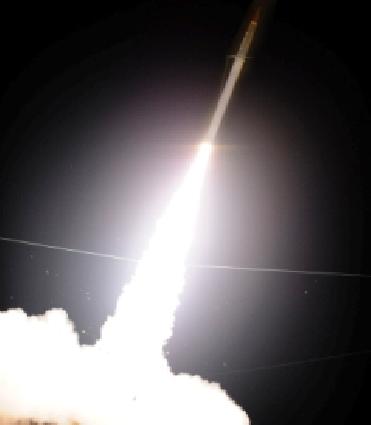
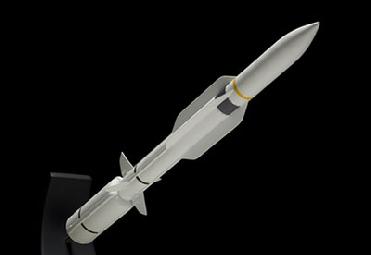
Caption: The THAAD test launch on June 28, 2010. A Lockheed Martin photo

HAWAII (BNS): The BAE Systems-designed seeker has validated its power to detect and destroy a target missile inside Earth's atmosphere during the recent successful test firing of a Terminal High Altitude Area Defense (THAAD) interceptor missile by the US Army.
BAE, a prime contractor for THAAD, had assembled an infrared seeker that provides homing and guidance data for the weapon system.
During the June 28 test conducted by the US Missile Defense Agency and Lockheed Martin for the US Army, the missile tracked and destroyed a short range ballistic missile in endo-atmosphere (inside the Earth’s atmosphere).
This was the THAAD interceptor's lowest endo intercept to date. The missile is capable of engaging targets both inside and outside Earth’s atmosphere.
The test also demonstrated the seeker's ability to perform target acquisition and track-and-aim point selection by the interceptor's seeker and its avionics flight software, BAE said.
BAE, a prime contractor for THAAD, had assembled an infrared seeker that provides homing and guidance data for the weapon system.
During the June 28 test conducted by the US Missile Defense Agency and Lockheed Martin for the US Army, the missile tracked and destroyed a short range ballistic missile in endo-atmosphere (inside the Earth’s atmosphere).
This was the THAAD interceptor's lowest endo intercept to date. The missile is capable of engaging targets both inside and outside Earth’s atmosphere.
The test also demonstrated the seeker's ability to perform target acquisition and track-and-aim point selection by the interceptor's seeker and its avionics flight software, BAE said.